The small rainfall events throughout the year are many times of too little volume to have a positive effect on the rangeland, but how small is that amount?
There are numerous factors that have a direct bearing on whether rainfall will be effective in promoting growth of plants. Quantity of rain, temperature, humidity, wind, and timing of the next rainfall event are all critical to the effectiveness of the Lord’s gift of moisture. The rancher-manager has no influence or control of any of those factors, thus he should not lose any sleep from worrying over those things. (Yet most all of us do so.) However, he does have control over a key factor, that being the health and cover of the soil he is managing. Or perhaps more simply stated, rangeland health. When the rangeland is healthy those small rainfall events become a valuable part of the ecosystem’s ability to move forward. Sustaining the rancher until the next rain.
The exciting thing is there are many ways of achieving the desired rangeland health, arguably some more effective than others and the type grazing program chosen is critical. It is up to the manager to evaluate goals, both long term and short term, in selecting the type and intensity of the grazing program. Within the more brittle-dryer environments achieving that healthy rangeland is dependent on grazing and rest as they are key ingredients to that successful program. Those two factors are controlled by animal impact and recovery from that impact. Leave out either one of those two and the grazing program and rangeland health improvement will most likely be an undesirable result.
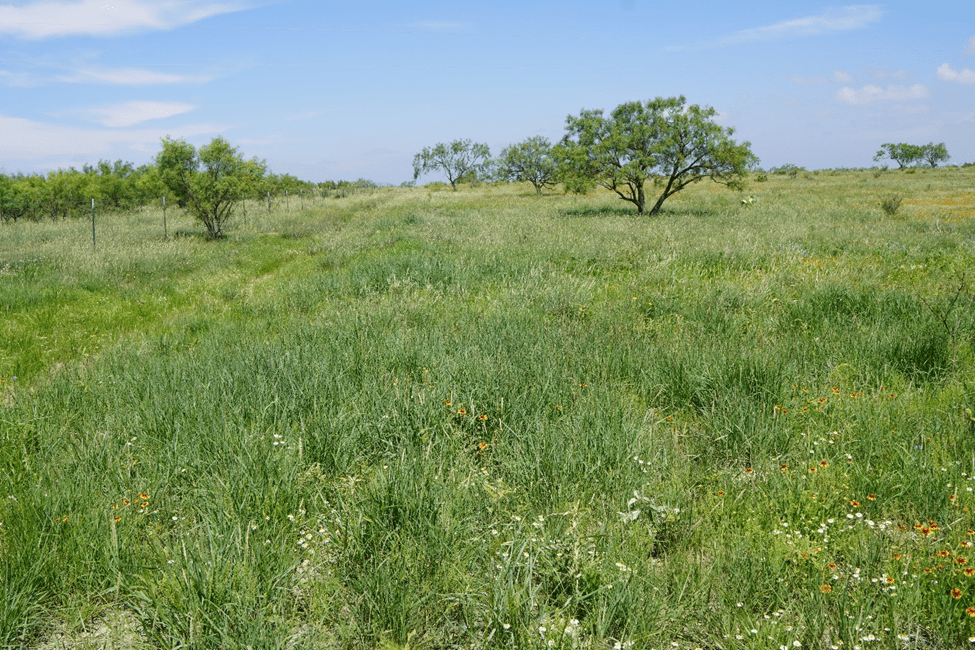
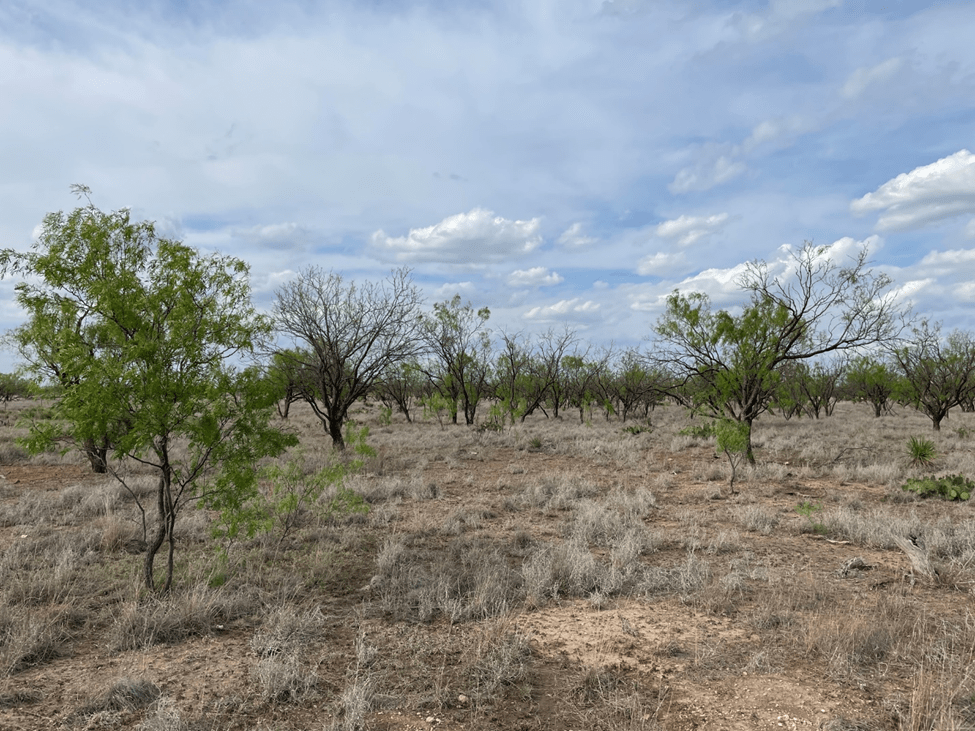
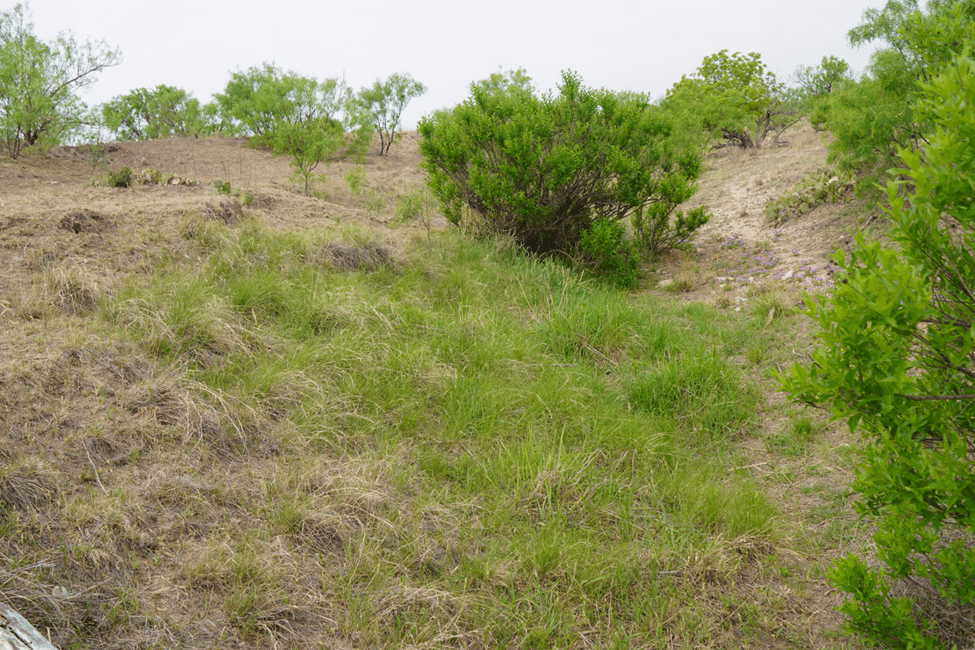
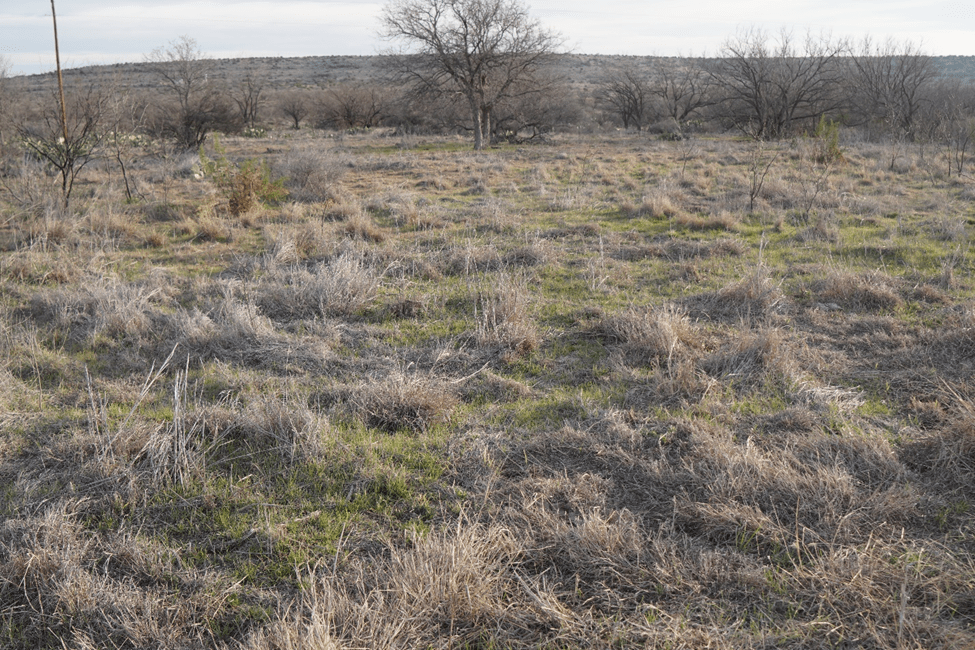
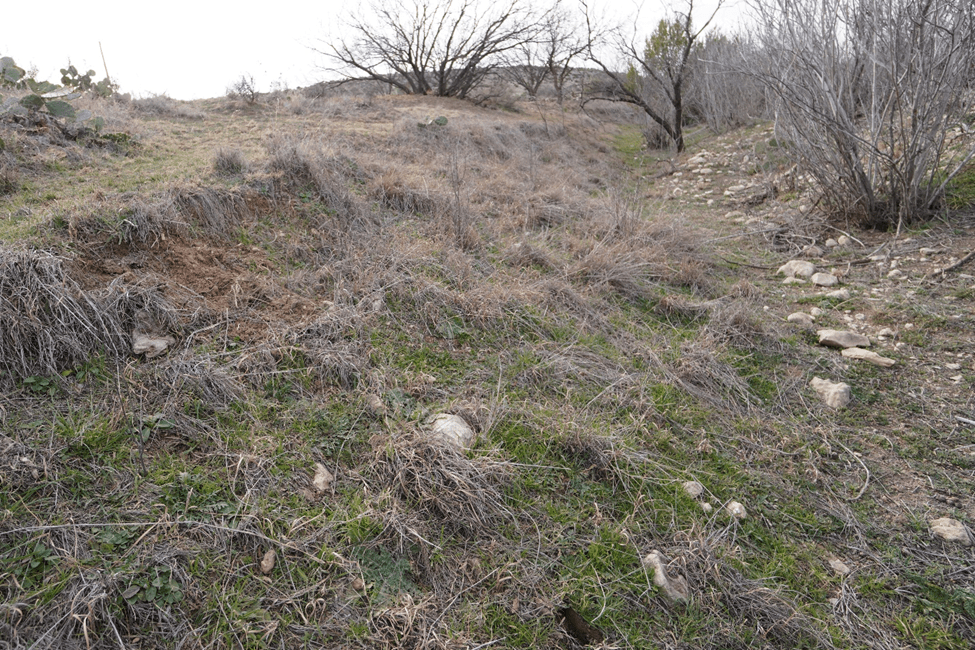
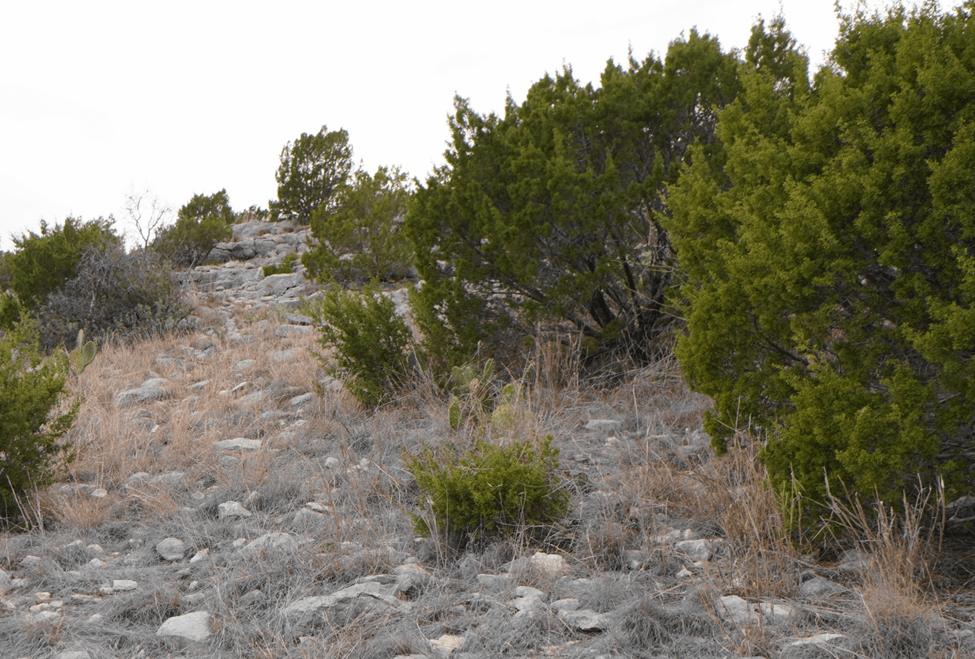
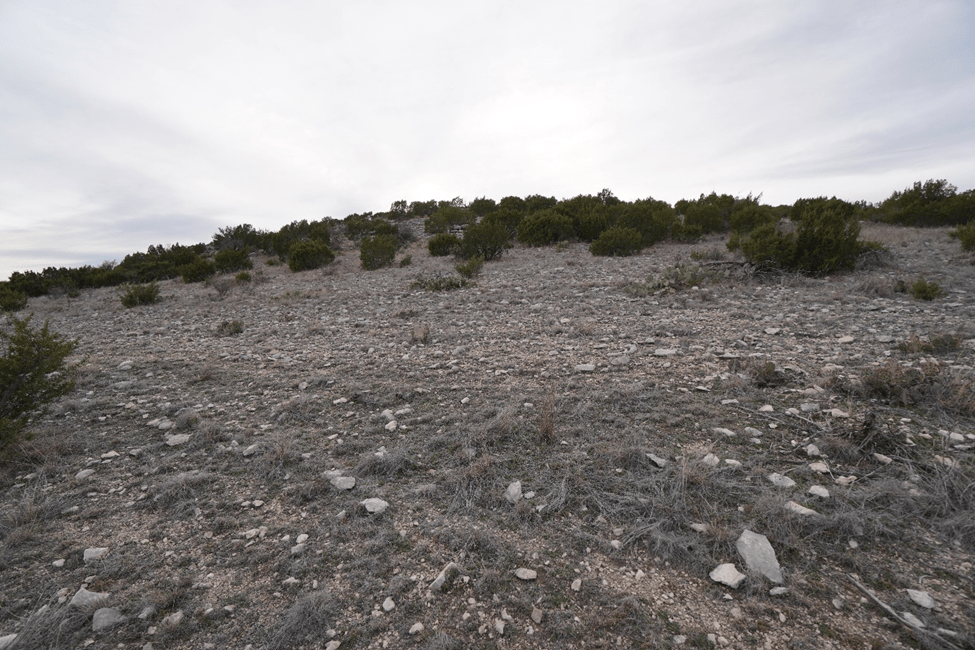
The photo below is an excellent example of achieving the healthy rangeland goal and what can happen without an effective grazing program, but remember it takes time to accomplish. Those wishing for instant success will be disappointed.

It is up to the rancher to determine how he wants his rangeland to look.





 Rangelands and Ranching