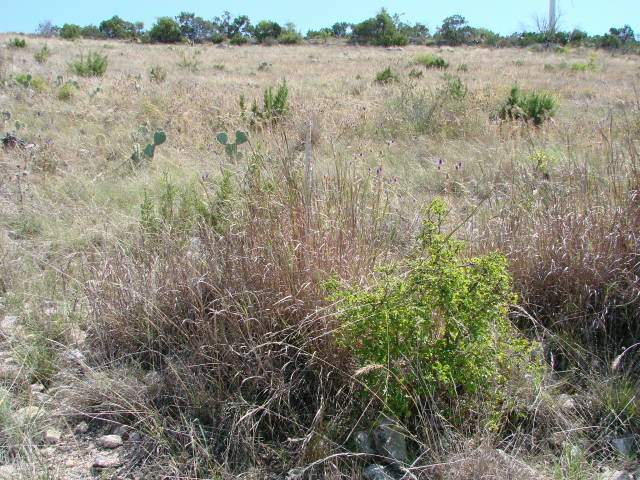
In previous posts I have talked of the prickly pear reducing in canopy coverage over a considerable portion of the rangelands that Sims and I work. I wish a qualified scientist would come along and interpret what is happening, but while waiting for this fellow, here is my opinion.
I have observed the pear beetles that are shown in third picture for most of my life. Taking note that the damaged pear pads they create while feasting on the plant tend to die over time, the entire plant always seemed to remain growing. With little grass surrounding the plant I assumed the pear had some sort of mechanism that prevented the grass from growing next to and within the plant itself. These assumptions appear to be wrong.
As the controlled grazing program has increased the density and vigor of the grasses and their resulting strong root systems, the pear is succumbing to that competition. The pear beetles and perhaps other disease issues damage the pear plant and the grasses take over. (Poor little beetles may be eating their way out of a home.) Prescribed fire certainly can move this process forward faster but does not appear to be a critical factor. Rangelands that have not had a fire placed on them are showing the same decline in pear coverage although not as fast or perhaps complete. Even those pear pads that are broken off and fall to the ground do not take root, as they fall on a turf of grass and litter that prevents the ground- soil-moister contact that implements the new root growth.
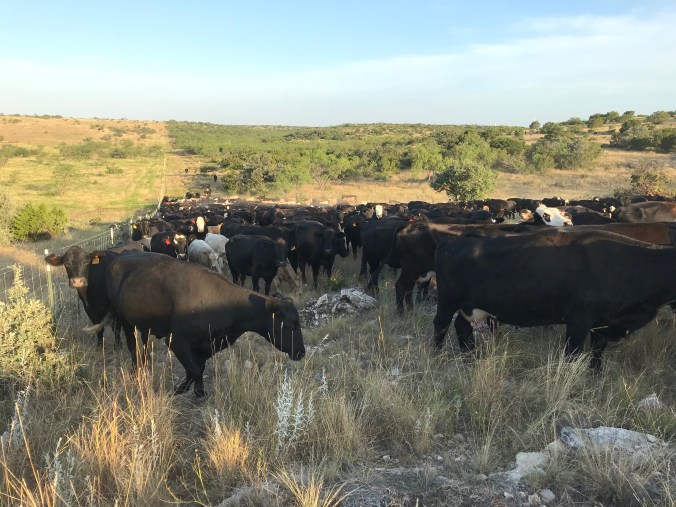
One thing is for certain, without the implementation and continued use of a sound grazing management plan the grasses would never reach the density level that makes this process work.
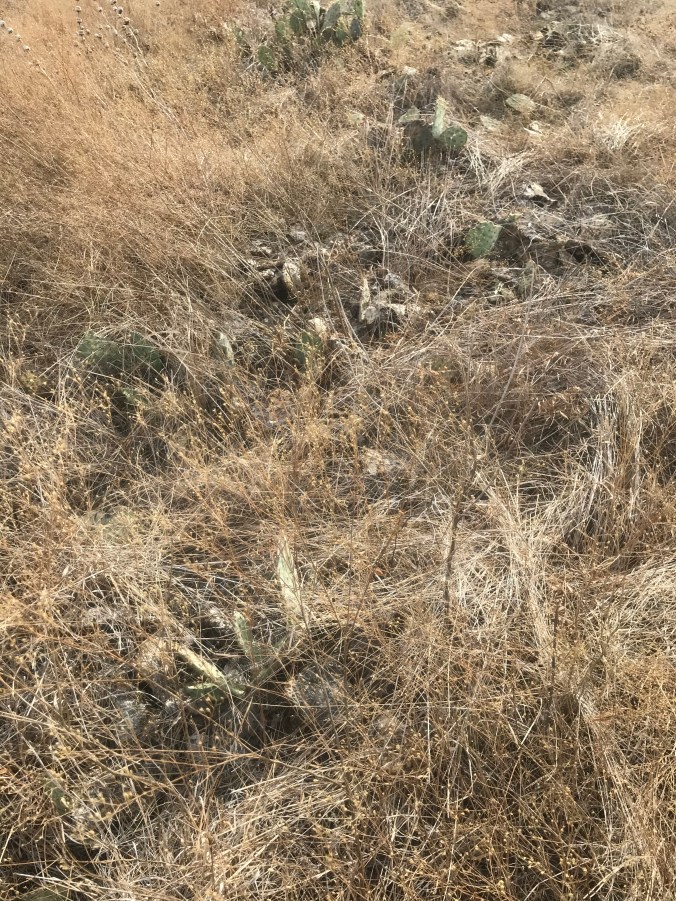

 The better it gets the faster it gets better.

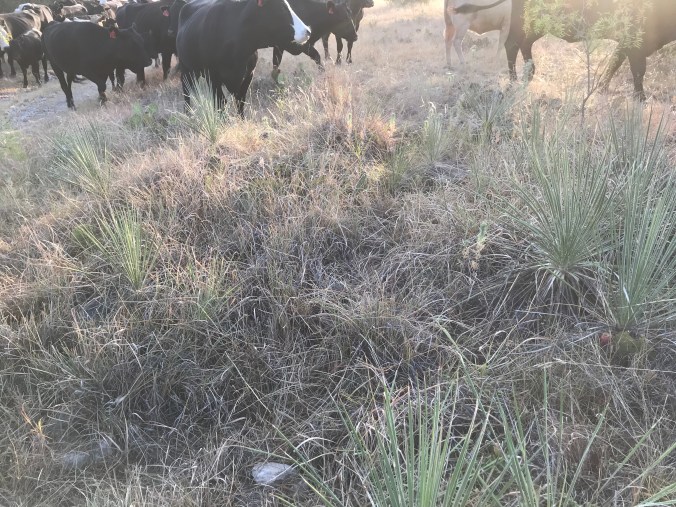
 Zoomed in photo reveals relatively close grazing and green shoots after a recent small rain. A long rest period will provide oportunity to fully recover and become yet stronger, providing ‘insurance’ for the next dry spell.
![IMG_2261[6087]](https://rangelandsandranching.com/wp-content/uploads/2019/09/img_22616087.jpg?w=676)
 Rangelands and Ranching